
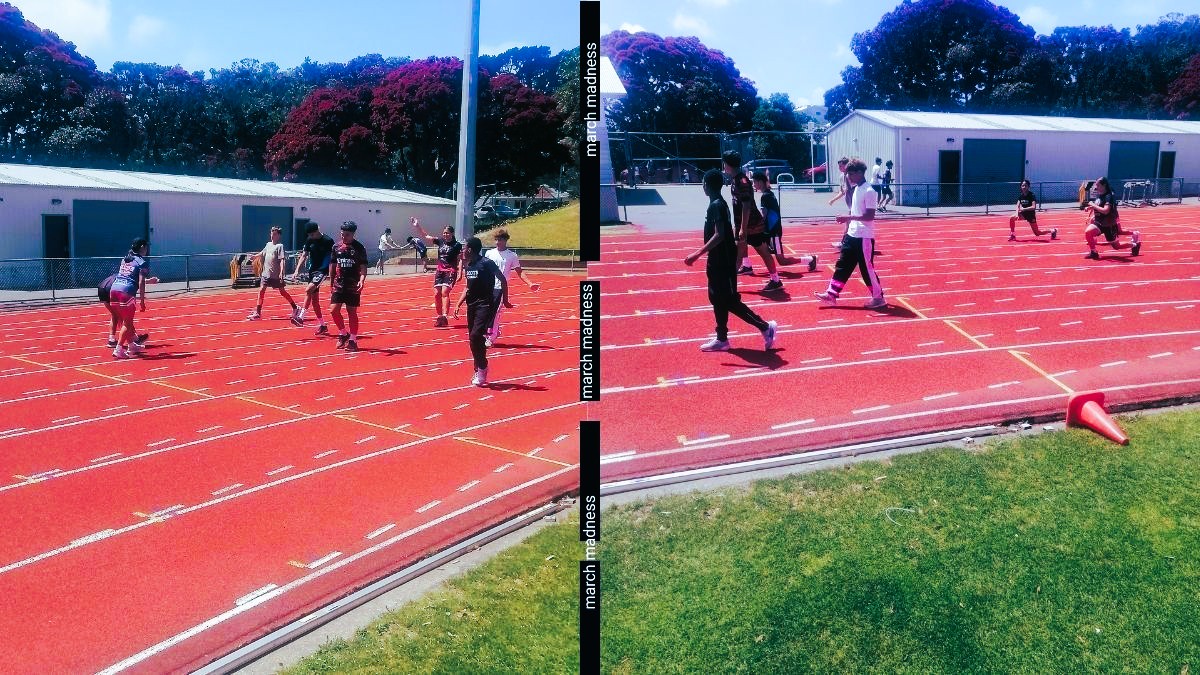
March Madness: How AIM Builds Championship Athletes
March is where athletes don’t just race — they learn how to perform.
For AIM athletes, “March Madness” isn’t chaos. It’s a three-week window where small details decide outcomes: composure in the call room, rhythm under pressure, and the ability to recover fast and execute again the following weekend.
This year, our championship month includes:
- Athletics Wellington Junior Championships (two weekends)
- North Island Secondary Schools Championships (the following weekend)
Three weekends. One plan. One standard: show up ready and execute.
What March rewards (and what it punishes)
March rewards athletes who can do three things consistently:
- Hold their form under stress
Training speed is one thing. Championship speed is doing it with noise, nerves, and expectations. - Make good decisions when it matters
The best athletes aren’t always the fittest — they’re the most composed and accurate with pacing, positioning, and timing. - Recover quickly and repeat performance
Back-to-back meets punish athletes who treat recovery as optional.
The AIM Championship Blueprint
Our approach in March is simple: we don’t chase last-minute fitness. We protect what we’ve built and sharpen what wins races.
1) Keep intensity, reduce clutter
Volume comes down. Quality stays high.
We keep short, sharp touches of speed and race-specific work, but we remove anything that creates fatigue without adding performance.
2) Train rhythm and execution, not grind
March training is about timing: posture, mechanics, relaxation, and race cues.
If an athlete looks fast but feels rushed, we slow things down and rebuild control.
3) Recovery becomes a performance skill
Sleep, hydration, tissue work, mobility, nutrition, and smart warm-downs aren’t “extras” — they’re part of the programme.
Championship athletes recover like professionals.
How we manage a three-week championship window
Weekend 1: Establish execution
The first weekend is about setting the standard:
- consistent warm-up routine
- calm call-room habits
- clear race cues
- strong finishes
We want athletes leaving that meet thinking: I can do that again — and better.
Weekend 2: Repeat performance (with smarter recovery)
The second weekend is where maturity shows. Legs may feel different. Pressure may increase. That’s normal.
Between meets we focus on:
- keeping the body fresh (not tired)
- a light technical tune-up (not a full week of hard sessions)
- restoring confidence through routine and clarity
Championship month is not the time for panic sessions.
Weekend 3: Re-prime for North Island
This is the “sharpen and trust” phase:
- short quality touches only
- crisp mechanics
- race modelling and cue rehearsal
- everything aimed at feeling ready, not “worked”
The goal is to arrive at North Island Secondary Schools feeling fast, calm, and prepared to compete across rounds.
DPE™ on race day: the AIM standard
Our athletes hear this often because it holds up in every event:
Discipline
Do the basics right: warm-up, spikes, hydration, call-room timing, and focus.
Patience
Stay relaxed early. Don’t burn the race in the first third. Let the race come to you.
Execution
When it’s time, commit. Strong mechanics. Clear decisions. Finish with intent.
That’s how athletes turn preparation into performance.
Parent checklist for March (simple, effective)
Parents play a huge role in championship month. Here’s what matters:
- Sleep: consistent bedtime all week (not just the night before)
- Fuel: normal meals + simple carbs on race day; avoid experimenting
- Hydration: start the day hydrated, not “catching up”
- Warm-up timing: allow enough time to settle and build rhythm
- After each race: warm-down, dry clothes, light snack, rehydrate
- Keep it calm: athletes borrow the emotional temperature of the adults around them
March Madness isn’t luck — it’s preparation
AIM’s job in March is to turn late-season fitness into performance: athletes who can execute under pressure, recover fast, and show up ready again.
If you’re training with us, our ultimate AIM is simple — trust the process, keep the standards high, and focus on what wins: rhythm, composure, and execution.
Want to train with AIM? Keep an eye on our winter build and pathway intakes — and reach out anytime to learn what programme fits you best.